The Future of Global Logistics: Trends Shaping a Smarter Tomorrow
Discover how digital transformation, sustainable shipping, and resilient supply chains are shaping the future of global logistics for businesses worldwide.
The Future of Global Logistics: Trends Shaping a Smarter Tomorrow
The global logistics industry is evolving rapidly. From digital technology and automated operations to sustainable transportation and resilient supply chains, businesses are looking for smarter ways to move goods across borders.
In today's competitive business environment, efficient logistics is more than just transportation. It is about connecting markets, improving delivery performance, reducing unnecessary costs, and building stronger relationships with customers.
At SkyLink Global Services, we understand the importance of reliable and flexible logistics solutions. In this article, we explore the key trends shaping the future of global logistics and how businesses can prepare for what lies ahead.
1. Digital Transformation in Logistics
Technology is changing the way businesses manage their supply chains. Digital platforms, real-time shipment visibility, and automated processes are helping companies make informed decisions and improve operational efficiency.
Modern logistics operations increasingly use technology to coordinate transportation, track shipments, manage documentation, and improve communication between different supply chain partners.
How Digital Logistics Helps Businesses
Better shipment visibility and tracking.
Faster communication between suppliers and customers.
Improved planning and operational efficiency.
More informed transportation decisions.
Easier management of international shipments.
Businesses that embrace digital solutions can build more connected and responsive supply chains.
2. The Growing Importance of Sustainable Shipping
Sustainability is becoming an important consideration for businesses involved in international trade. Companies are exploring ways to reduce waste, improve transportation efficiency, and make more responsible supply chain decisions.
Sustainable logistics may include route optimization, efficient shipment planning, reduced packaging waste, and choosing suitable transportation methods based on cargo requirements.
Building More Responsible Supply Chains
A practical approach to sustainable logistics starts with understanding the complete movement of goods. By improving planning and selecting appropriate freight solutions, businesses can work toward more efficient operations while supporting their long-term sustainability goals.
3. E-Commerce and the Demand for Faster Delivery
The growth of e-commerce has increased the need for reliable, flexible, and timely logistics services. Businesses now serve customers across different cities and countries, making international shipping an essential part of many operations.
From sourcing products to delivering finished goods, every stage of the supply chain plays a role in customer satisfaction.
Why Reliable Freight Forwarding Matters
A dependable freight forwarding partner can help businesses coordinate transportation, manage shipping documentation, and understand the requirements of international trade.
Whether goods move by air, ocean, or road, choosing the right logistics approach helps businesses plan their shipments according to their timelines and cargo needs.
4. Building Stronger and More Resilient Supply Chains
Global trade can be affected by changing market conditions, transportation disruptions, port congestion, and other unexpected challenges. For this reason, businesses are focusing on supply chain resilience.
A resilient supply chain is designed to respond to challenges while maintaining continuity wherever possible.
Key Strategies for Supply Chain Resilience
Diversifying suppliers and transportation options.
Improving shipment planning and visibility.
Maintaining clear communication with logistics partners.
Preparing alternative transportation arrangements.
Reviewing supply chain performance regularly.
With better planning and reliable coordination, businesses can prepare for changing logistics requirements.
5. Air Freight, Ocean Freight, and Multimodal Transportation
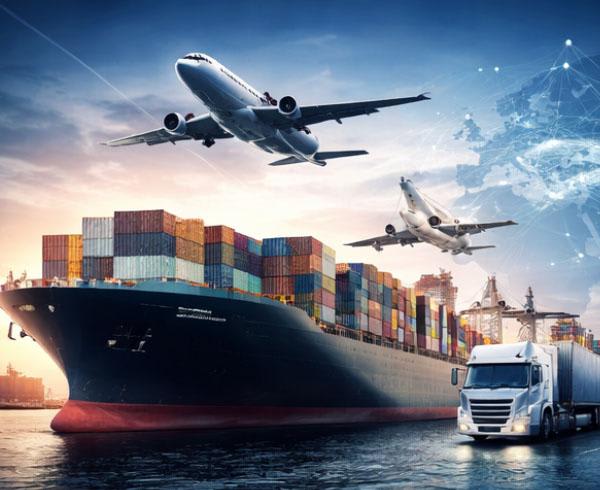
Every shipment has different requirements. Some goods need faster transportation, while others are better suited to cost-effective ocean shipping or coordinated road transportation.
Air Freight
Air freight is suitable for shipments where speed, time sensitivity, or specific cargo requirements are important considerations.
Ocean Freight
Ocean freight is widely used for international cargo movement, particularly for larger shipments and businesses planning their transportation needs in advance.
Road Freight
Road transportation plays an important role in connecting warehouses, ports, distribution centers, and final delivery locations.
Multimodal Logistics
Multimodal transportation combines different modes of transport to support the movement of goods across complex supply chains. The right combination depends on the shipment's origin, destination, cargo type, and timeline.
6. The Role of Customs Clearance in International Trade
International shipping involves more than moving goods from one location to another. Documentation, customs requirements, and trade regulations are important parts of the shipping process.
Accurate paperwork and proper coordination can help businesses manage their international shipments more efficiently.
Important Considerations
Accurate shipping documentation.
Understanding applicable customs requirements.
Coordination with relevant logistics partners.
Timely preparation of shipment information.
Clear communication throughout the process.
Businesses should work with experienced professionals and verify the requirements applicable to their specific shipment and destination.
7. How SkyLink Global Services Supports Your Logistics Needs
At SkyLink Global Services, we aim to help businesses manage their international logistics requirements with reliable coordination and practical freight solutions.
Our logistics services are designed to support businesses involved in global trade, including transportation planning and freight forwarding across different modes.
Our Logistics Services Include
International freight forwarding.
Air freight solutions.
Ocean freight solutions.
Road transportation coordination.
Customs clearance support.
Supply chain and logistics consultation.
We work toward making the shipping process more organized, transparent, and aligned with your business requirements.
Conclusion: Preparing for the Future of Global Logistics
The future of logistics is being shaped by technology, sustainability, changing customer expectations, and the need for resilient supply chains.
Businesses that focus on better planning, reliable transportation, and strong logistics partnerships can prepare themselves for the demands of global trade.
Whether you are importing raw materials, exporting finished goods, or expanding into new international markets, the right logistics partner can help you navigate the complexities of shipping.
Ready to simplify your global logistics?
Connect with SkyLink Global Services to discuss your freight forwarding and international shipping requirements.
[Get in touch with SkyLink Global Services today and explore the right logistics solution for your business.]
EXIM & Logistics Specialist at SkyLink Global Services. Specializing in statutory customs compliance, freight procurement, and international cross-border multimodal routing.