
Tax & EXIM Compliance: Key Considerations for Importers and Exporters
Understand the key tax, customs, documentation, and EXIM compliance considerations that importers and exporters should manage when conducting international trade.
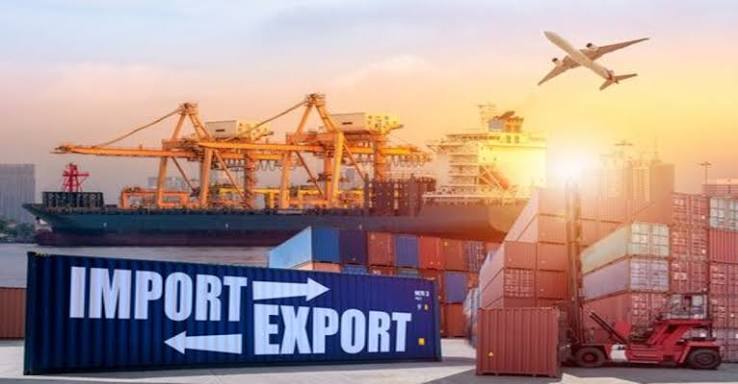
Tax & EXIM Compliance: Key Considerations for Importers and Exporters
International trade involves more than simply moving goods from one country to another. Importers and exporters need to manage taxation, customs procedures, documentation, regulatory requirements, and other compliance responsibilities throughout the trade process.
A structured approach to tax and EXIM compliance can help businesses manage their international transactions more efficiently and reduce avoidable administrative issues.
1. Understanding Import and Export Requirements
Before conducting an international transaction, businesses should understand the applicable requirements for the goods and destination markets.
This may include:
- Import and export regulations
- Product-specific requirements
- Customs procedures
- Applicable taxes and duties
- Required licenses or registrations
- Documentation requirements
Understanding these requirements in advance can help businesses plan transactions more effectively.
2. Accurate Trade Documentation
Documentation is an important part of EXIM operations.
Depending on the transaction, businesses may need documents such as:
- Commercial invoices
- Packing lists
- Shipping documents
- Certificates of origin
- Customs documentation
- Import or export declarations
Accurate and consistent information across trade documents can help reduce processing issues.
3. Customs Compliance
Customs compliance is another important part of international trade.
Businesses need to provide appropriate information about their shipments, including product descriptions, classifications, values, and other relevant details.
Incorrect or incomplete information can lead to delays and additional compliance challenges.
4. Managing Taxes and Duties
Importers and exporters need to understand the taxes, duties, and other applicable charges associated with their transactions.
The applicable treatment can depend on factors such as:
- Type of goods
- Country of origin
- Destination country
- Transaction structure
- Applicable trade regulations
Businesses should review the applicable rules for each transaction rather than relying on assumptions.
5. Product Classification
Correct classification of goods is an important part of EXIM compliance.
Product classification can influence customs duties, taxes, documentation requirements, and regulatory treatment.
Businesses should ensure that product information and classification are accurate and appropriately documented.
6. Maintaining Compliance Records
Proper record keeping helps businesses manage their international trade activities more effectively.
Maintaining organized records of invoices, shipping documents, customs records, tax information, and transaction details can make compliance management easier and support future audits or reviews.
7. Staying Updated With Regulations
International trade regulations can change over time.
Tax rules, customs procedures, documentation requirements, and trade policies may be updated by relevant authorities.
Importers and exporters should regularly review applicable regulations and work with qualified professionals when transaction-specific advice is required.
Why EXIM Compliance Matters
Strong compliance practices can help businesses create more predictable international trade operations.
Instead of treating compliance as a final step, businesses can integrate tax, customs, documentation, and regulatory checks into their overall EXIM workflow.
This approach can help improve transparency, reduce administrative friction, and support smoother cross-border trade operations.
Conclusion
Tax and EXIM compliance are important components of successful international trade. Importers and exporters need to manage documentation, customs requirements, taxation, product classification, and regulatory obligations carefully.
With organized processes and up-to-date regulatory knowledge, businesses can approach international trade with greater clarity and operational efficiency.
For complex or transaction-specific tax and regulatory matters, businesses should consult qualified tax, customs, or trade-compliance professionals.
EXIM & Logistics Specialist at SkyLink Global Services. Specializing in statutory customs compliance, freight procurement, and international cross-border multimodal routing.