
How AI Is Transforming Logistics: Smarter, Faster and More Predictive Supply Chains
Discover how artificial intelligence is transforming logistics through smarter route planning, demand forecasting, shipment tracking, automation, and predictive supply chain management.
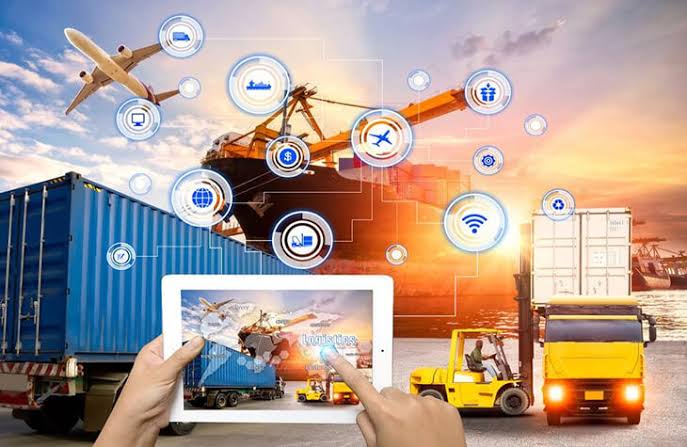
AI in Logistics: Moving From Traditional Operations to Smart Supply Chains
The logistics industry is evolving rapidly as businesses look for faster, more efficient, and more predictable ways to move goods across markets. One of the technologies driving this transformation is Artificial Intelligence (AI).
From shipment tracking and route optimization to demand forecasting and supply chain visibility, AI is helping logistics companies make better decisions using real-time data.
For global logistics and EXIM businesses, this means moving beyond traditional logistics management toward smarter, data-driven operations.
What Is AI in Logistics?
AI in logistics refers to the use of artificial intelligence, machine learning, predictive analytics, and automation to improve different stages of the logistics and supply chain process.
Instead of relying entirely on manual processes and historical assumptions, AI systems can analyze large volumes of operational data and identify patterns that can support faster decision-making.
AI can be applied across areas such as:
- Shipment tracking
- Route optimization
- Demand forecasting
- Inventory management
- Warehouse operations
- Delivery planning
- Documentation workflows
- Customer communication
- Supply chain risk monitoring
1. Smarter Route Planning
Transportation is one of the biggest areas where AI can support logistics operations.
AI-powered systems can analyze factors such as:
- Traffic conditions
- Delivery locations
- Shipment priorities
- Historical transportation data
- Weather conditions
- Vehicle availability
This can help businesses identify more efficient transportation routes and improve delivery planning.
For international logistics, intelligent planning can become particularly valuable when shipments involve multiple transportation modes and destinations.
2. Predictive Demand Forecasting
Understanding future demand is important for maintaining an efficient supply chain.
AI can analyze historical orders, market patterns, seasonal trends, and other business data to help companies forecast potential demand.
Better forecasting can help businesses make informed decisions about:
- Inventory levels
- Procurement
- Warehouse capacity
- Transportation requirements
- Distribution planning
This can reduce the risk of both excess inventory and stock shortages.
3. Real-Time Shipment Visibility
Customers increasingly expect to know where their shipments are and when they are likely to arrive.
AI can work with shipment and tracking data to provide more intelligent visibility into logistics operations.
Instead of simply showing the current shipment location, AI-powered systems can potentially identify delays, analyze shipment patterns, and provide updated delivery estimates.
This creates a more transparent experience for both logistics companies and their customers.
4. AI-Powered Warehouse Operations
Warehouses generate large amounts of operational data every day.
AI can help analyze this data to improve:
- Inventory organization
- Order processing
- Picking and packing
- Warehouse capacity planning
- Stock movement
- Resource allocation
Combined with automation and connected systems, AI can help warehouses become more responsive and efficient.
5. Automation of Routine Logistics Tasks
Many logistics processes involve repetitive administrative work.
AI and automation can assist with tasks such as:
- Data entry
- Document classification
- Shipment information processing
- Customer notifications
- Status updates
- Report generation
For businesses handling international trade and EXIM operations, reducing repetitive manual work can allow teams to focus more on customer service, compliance, and strategic decision-making.
6. AI and Supply Chain Risk Management
Global supply chains can be affected by unexpected disruptions.
AI can analyze large datasets and identify patterns that may indicate potential supply chain risks.
Businesses can use these insights to monitor areas such as:
- Shipment delays
- Demand fluctuations
- Transportation disruptions
- Supplier performance
- Inventory risks
The goal is not simply to react after a problem occurs, but to create a more proactive approach to supply chain management.
7. Better Customer Experience
Technology is also changing the way logistics companies communicate with customers.
AI-powered systems can support faster responses to common questions, shipment-status requests, and operational updates.
Combined with human expertise, AI can help logistics teams provide customers with faster access to relevant information while keeping complex decisions with experienced professionals.
The Future of AI in Logistics
AI is becoming an important part of the broader digital transformation of logistics and supply chain management.
The future of logistics will likely involve greater integration between:
AI + Automation + Real-Time Data + IoT + Predictive Analytics
For global logistics companies, adopting these technologies can create opportunities to improve visibility, operational planning, customer communication, and decision-making.
However, successful AI implementation requires more than simply adopting a new tool. Businesses need reliable data, well-designed processes, appropriate technology infrastructure, and experienced teams who understand how to use AI-generated insights effectively.
Conclusion
Artificial intelligence is changing the way logistics businesses approach transportation, supply chains, warehouses, shipment visibility, and operational decision-making.
For companies operating in global trade and EXIM, AI can become an important technology for building more responsive and data-driven logistics operations.
As logistics continues to become more connected and digital, businesses that combine technology with logistics expertise will be better positioned to adapt to changing customer expectations and global supply chain requirements.
Skylink Global continues to focus on technology-driven approaches to global logistics, EXIM, and supply chain operations, helping businesses navigate an increasingly connected world.
EXIM & Logistics Specialist at SkyLink Global Services. Specializing in statutory customs compliance, freight procurement, and international cross-border multimodal routing.