
How Fleet Management Technology Is Improving Modern Logistics Operations
Explore how modern fleet management technology helps logistics companies monitor vehicles, manage drivers, reduce delays, and improve transportation visibility.
How Fleet Management Technology Is Improving Modern Logistics Operations
Fleet management has become an important part of modern logistics operations. Companies managing trucks, delivery vehicles, commercial fleets, and long-distance transportation need accurate information about vehicle location, maintenance, fuel usage, driver activity, and delivery schedules.
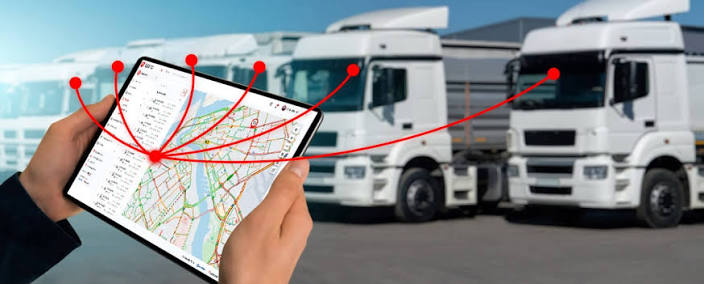
Modern fleet management technology brings these operational details into connected digital systems, helping logistics teams monitor transportation activities and manage their fleets more effectively.
What Is Fleet Management Technology?
Fleet management technology refers to digital tools and systems used to manage commercial vehicles and transportation operations.
These systems can help businesses monitor vehicle locations, maintain vehicle records, track routes, manage maintenance schedules, and review important transportation data from a centralized platform.
Instead of depending entirely on spreadsheets, phone calls, and manual records, logistics teams can access important fleet information through a digital dashboard.
Why Fleet Management Matters in Logistics
Transportation is one of the most important parts of the logistics process. Delays, vehicle breakdowns, inefficient routes, and poor communication can affect delivery schedules and increase operating costs.
Effective fleet management helps businesses maintain better visibility over their transportation operations.
It can help logistics companies:
- Monitor vehicles during transportation
- Improve route visibility
- Manage maintenance schedules
- Track fuel consumption
- Maintain vehicle records
- Monitor delivery progress
- Improve communication with drivers
- Identify recurring transportation issues
Vehicle Tracking and Location Visibility
Vehicle tracking is one of the most widely used features of modern fleet management systems.
GPS-enabled devices can provide information about vehicle locations while they are on the road. Logistics teams can view this information through a centralized platform instead of relying only on manual driver updates.
Location visibility can help businesses understand where vehicles are, whether they are following planned routes, and how transportation operations are progressing.
Route Management for Transportation Operations
Efficient route management is important for businesses handling multiple deliveries.
A fleet management platform can provide logistics teams with better visibility into planned routes and actual vehicle movement.
Teams can review transportation activity and identify situations such as:
- Unexpected route changes
- Traffic-related delays
- Unplanned stops
- Long waiting periods
- Delivery schedule changes
This information can support better transportation planning and coordination.
Fleet Maintenance Management
Vehicle maintenance is another important part of fleet operations.
A vehicle that requires unexpected repairs can cause delivery delays and disrupt transportation schedules.
Digital fleet management systems can help companies maintain records for:
- Vehicle servicing
- Tire replacement
- Oil changes
- Inspection schedules
- Repair history
- Vehicle documentation
Maintenance reminders can help teams keep track of upcoming service requirements and reduce the risk of missing important maintenance activities.
Monitoring Fuel Consumption
Fuel is a significant operating expense for many logistics businesses.
Fleet management technology can help companies monitor fuel-related information and compare consumption across vehicles and routes.
By reviewing historical fuel data, businesses can identify unusual consumption patterns and investigate possible operational issues.
Better fuel visibility can also help companies plan transportation operations more efficiently.
Driver and Vehicle Information
Managing a fleet requires information about both vehicles and drivers.
A centralized fleet management system can maintain important records and make them easier for authorized teams to access.
Depending on the system, businesses may manage information such as:
- Driver assignments
- Vehicle details
- Registration information
- Insurance records
- Maintenance history
- Route assignments
- Delivery schedules
Having this information in one place can reduce the need for manual record keeping.
Improving Delivery Visibility
Fleet management technology can provide better visibility into the transportation stage of a shipment.
When a vehicle leaves a warehouse or distribution center, logistics teams can monitor its progress and coordinate with other parts of the supply chain.
This becomes especially useful when businesses manage multiple vehicles and deliveries at the same time.
Fleet Management and Customer Communication
Customers increasingly expect accurate information about their deliveries.
When logistics teams have better visibility into vehicle locations and delivery progress, they can provide more accurate updates to customers.
For example, if a delivery is delayed because of traffic or an unexpected transportation issue, the logistics team can communicate the updated information instead of relying on an estimated schedule that may no longer be accurate.
Centralized Logistics Dashboards
Modern fleet management platforms can bring transportation information into a centralized dashboard.
A logistics manager may be able to review:
- Active vehicles
- Vehicle locations
- Delivery status
- Maintenance schedules
- Fuel information
- Route activity
- Transportation alerts
A centralized dashboard can make it easier to monitor a large fleet without checking individual records separately.
Fleet Management for Growing Logistics Companies
As a logistics business grows, managing transportation operations manually becomes increasingly difficult.
A small fleet may be manageable through spreadsheets and phone communication, but larger operations require more structured systems.
Fleet management technology can provide a scalable way to organize vehicle information, transportation activities, and operational records as the business expands.
Challenges in Fleet Management
Implementing fleet management technology also requires proper planning.
Businesses may need to consider:
Technology Integration
The fleet management system may need to work with existing logistics, warehouse, transportation, or ERP systems.
Data Accuracy
Reliable decisions depend on accurate vehicle, route, maintenance, and operational information.
Employee Training
Drivers, fleet managers, and operations teams may need training to use the new system effectively.
Connectivity
Vehicle tracking and connected fleet systems depend on reliable communication networks and properly configured devices.
Choosing the Right Fleet Management System
Businesses should consider their operational requirements before selecting a fleet management platform.
Important considerations may include:
- Fleet size
- Number of operating locations
- Vehicle types
- Tracking requirements
- Maintenance requirements
- Reporting capabilities
- Integration requirements
- Scalability
- Mobile accessibility
The right system should fit the company's existing logistics processes rather than adding unnecessary complexity.
The Future of Fleet Management Technology
Fleet management is becoming increasingly connected as logistics companies adopt digital transportation systems.
Connected vehicles, GPS tracking, digital dashboards, electronic records, and transportation management platforms are helping businesses gain greater visibility into their fleets.
As logistics networks become more complex, having accurate transportation information available through centralized systems will become increasingly important.
Conclusion
Fleet management technology is helping logistics companies improve visibility across their transportation operations.
From vehicle tracking and maintenance management to route monitoring, fuel information, and delivery visibility, digital fleet systems can bring important transportation information into one centralized environment.
For growing logistics companies, a well-structured fleet management system can provide the visibility and organization needed to manage vehicles and deliveries more effectively while supporting a more connected supply chain.
EXIM & Logistics Specialist at SkyLink Global Services. Specializing in statutory customs compliance, freight procurement, and international cross-border multimodal routing.