
Digital Freight Tracking: How Shipment Visibility Is Transforming Global Logistics
Discover how digital freight tracking improves shipment visibility, exception management, customer communication, and logistics planning across global supply chains.
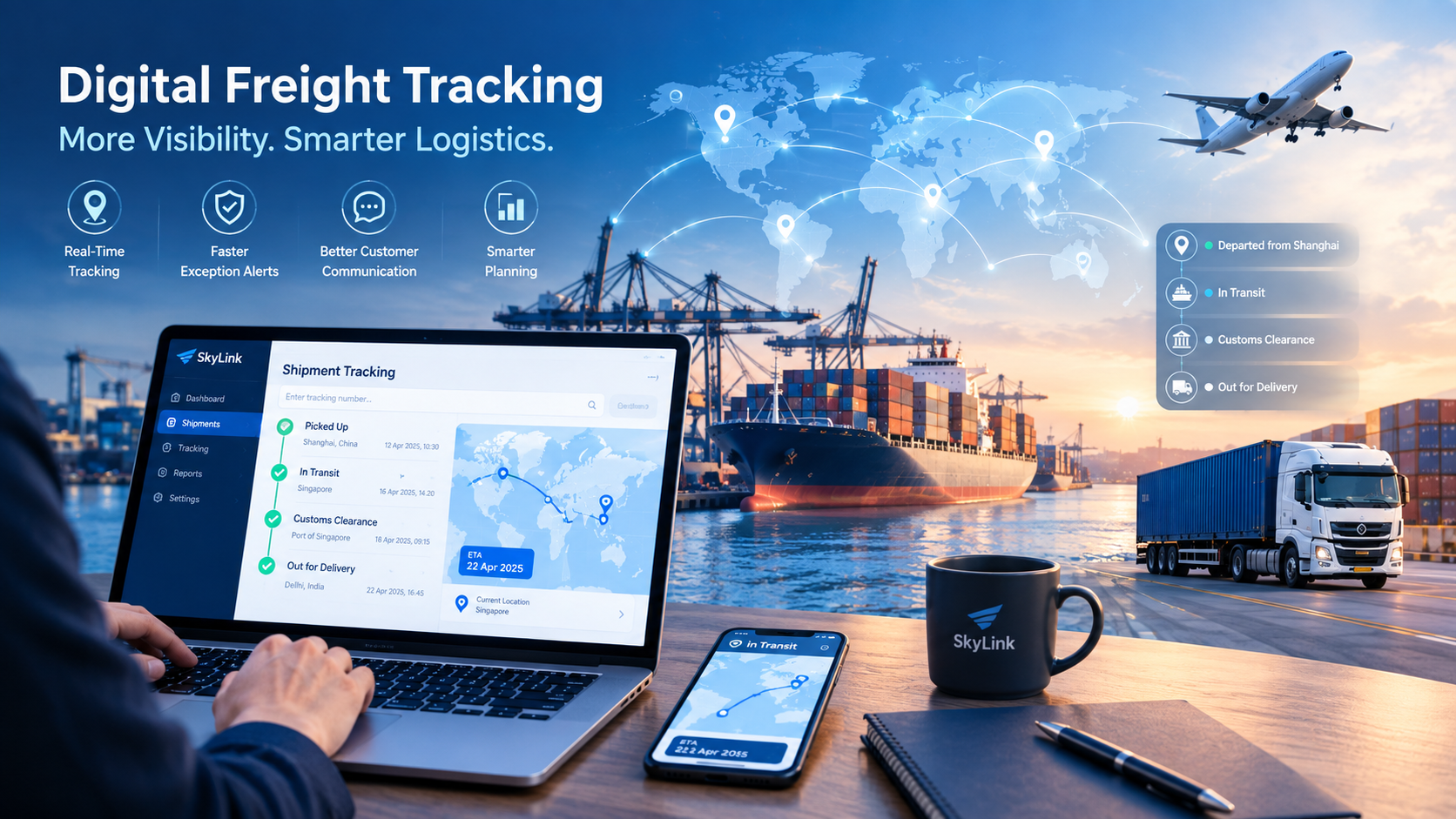
Digital Freight Tracking: How Shipment Visibility Is Transforming Global Logistics
International shipments often pass through multiple stages before reaching their destination. Cargo may move between suppliers, warehouses, ports, customs facilities, transport providers, and final delivery points. Without proper visibility, businesses can struggle to know exactly where a shipment is or whether it is progressing as planned.
Digital freight tracking is helping businesses create greater visibility across these complex logistics networks.
What Is Digital Freight Tracking?
Digital freight tracking is the use of technology to monitor shipments throughout their transportation journey.
Depending on the logistics system, businesses can track information such as:
Shipment location
Estimated arrival time
Transportation status
Customs progress
Delivery milestones
Route information
Delays and exceptions
Instead of depending entirely on manual updates, logistics teams can access shipment information through connected digital systems.
Why Shipment Visibility Matters
A shipment delay can affect more than the delivery date. It can influence inventory planning, production schedules, warehouse operations, customer commitments, and overall supply chain coordination.
Better shipment visibility allows businesses to identify potential delays earlier and coordinate with logistics partners more effectively.
For example, if a shipment is delayed during transportation, the logistics team can review the updated status and communicate with relevant stakeholders before the delay creates a larger operational problem.
From Manual Updates to Real-Time Information
Traditional shipment management often depends on emails, phone calls, spreadsheets, and manual status updates.
These methods can become difficult to manage when businesses handle a large number of shipments across different routes.
Digital platforms can bring shipment information into a centralized system, reducing the need to collect updates from multiple sources.
Key Benefits of Digital Freight Tracking
1. Better Shipment Visibility
Businesses can view shipment progress across different stages of transportation.
2. Faster Exception Detection
Digital tracking can help teams identify delays, route changes, or other shipment exceptions earlier.
3. Improved Customer Communication
Accurate shipment information allows businesses to provide customers with clearer delivery updates.
4. Better Logistics Planning
Shipment data can support planning for warehouse capacity, inventory movement, transportation schedules, and delivery operations.
5. Centralized Information
A connected logistics platform can bring shipment information together instead of keeping important details across multiple spreadsheets and communication channels.
How Technology Supports Global Logistics
Modern logistics operations can connect tracking information with transportation management, warehouse systems, customs documentation, and business dashboards.
This creates a more connected view of the supply chain.
For businesses involved in international trade, such visibility can be particularly useful because shipments may involve multiple carriers, ports, customs procedures, and transportation stages.
The Role of Data in Logistics Decisions
Shipment tracking is not only about knowing where cargo is located.
Historical shipment data can also help businesses understand recurring delays, transportation performance, route efficiency, and delivery patterns.
Over time, this information can support better logistics planning and supplier coordination.
What Businesses Should Look for in a Tracking System
Before adopting a digital freight tracking solution, businesses should consider their shipment volume, transportation modes, geographic coverage, existing logistics systems, and reporting requirements.
A useful system should provide clear shipment information without making the logistics process unnecessarily complicated.
Conclusion
Digital freight tracking is becoming an important part of modern supply chain management. By connecting shipment information and providing better visibility, technology can help businesses coordinate international logistics more effectively.
As global supply chains become increasingly connected, digital visibility can help businesses move from reactive shipment management toward a more organized and data-driven logistics operation.
EXIM & Logistics Specialist at SkyLink Global Services. Specializing in statutory customs compliance, freight procurement, and international cross-border multimodal routing.