Customs Automation: How Technology Is Transforming Global Trade Compliance
Discover how customs automation helps businesses simplify trade compliance, reduce documentation errors, speed up clearance, and improve visibility across international shipments.
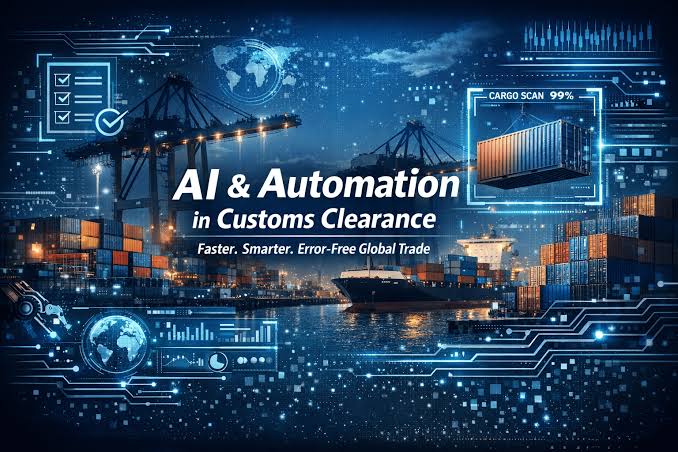
Customs Automation: How Technology Is Transforming Global Trade Compliance
Introduction
International trade involves complex customs procedures, documentation requirements, regulatory checks, and shipment coordination. For businesses handling frequent imports and exports, manual customs processes can create delays, increase administrative workload, and make compliance management more difficult.
Customs automation brings technology into these workflows to help businesses manage trade documentation, compliance checks, shipment information, and customs processes more efficiently. By connecting important customs activities through digital workflows, businesses can create a more organized and transparent approach to international trade.
What Is Customs Automation?
Customs automation refers to the use of digital technologies to streamline customs-related processes. Instead of relying entirely on manual data entry and paperwork, businesses can use automated systems to organize shipment information, manage documentation, validate data, and support compliance workflows.
These systems can help businesses manage information from different stages of an international shipment and make relevant data easier to access when required. This can create a more structured process from shipment preparation through customs clearance.
How Customs Automation Helps Businesses
1. Faster Documentation Processing
International shipments require multiple documents, including commercial invoices, packing lists, certificates, declarations, and other trade-related information. Managing these documents manually can take significant time, particularly when businesses handle a high volume of shipments.
Automation can help organize and process this information more efficiently while reducing repetitive manual work. Digital workflows can also make it easier for teams to locate important documents when preparing shipments or responding to customs requirements.
2. Improved Data Accuracy
Manual data entry can result in incorrect product details, values, classifications, or shipment information. Even small inconsistencies in documentation can create additional work during the customs clearance process.
Automated workflows can help validate information before it is submitted for customs processing. By using consistent data across related processes, businesses can reduce unnecessary duplication and improve the quality of shipment information.
3. Better Trade Compliance Management
Customs compliance requires businesses to follow applicable import and export regulations. These requirements can involve product information, documentation, classification, valuation, and other trade-related details.
Digital systems can help teams organize compliance information and maintain more consistent processes across shipments. Automation can also support internal review workflows, making it easier for teams to identify information that requires attention before a shipment moves forward.
4. Reduced Customs Delays
Incomplete or inconsistent documentation can contribute to clearance delays. When information is missing or requires correction, additional communication and processing may be required.
By identifying missing information earlier in the workflow, automation can help businesses prepare shipments more effectively. A structured digital process can also make it easier for teams to track pending documentation and take corrective action before it affects shipment processing.
5. Better Shipment Visibility
A centralized digital workflow can provide teams with better visibility into documentation status, customs processing, and shipment-related activities.
Instead of relying on multiple spreadsheets, emails, or disconnected records, teams can use connected systems to monitor relevant information in a more organized way. This makes it easier to identify pending actions and coordinate with logistics partners.
6. Reduced Administrative Work
Automation can reduce repetitive tasks such as entering the same shipment information across multiple processes. This can help reduce the amount of manual administrative work required from logistics and compliance teams.
With routine activities handled through structured workflows, employees can spend more time on exception management, compliance review, customer coordination, and strategic logistics activities.
The Role of Technology in Modern Customs Operations
Modern logistics technology can connect customs workflows with broader supply chain processes. When shipment, documentation, compliance, and logistics information are managed through connected systems, businesses can create a more transparent and efficient international trade workflow.
Technology can also help businesses organize large volumes of trade information and provide teams with better access to relevant shipment data. This becomes increasingly important for organizations managing multiple suppliers, customers, destinations, and international shipments.
Customs automation is particularly valuable for organizations handling frequent shipments, international suppliers, distributors, and complex trade requirements.
Building a More Efficient Global Trade Process
Customs automation is not simply about replacing paperwork with software. It is about creating a more structured digital workflow that helps businesses manage trade information, documentation, compliance, and shipment coordination.
A connected customs process can help businesses identify information gaps earlier, reduce repetitive tasks, and improve visibility across different stages of international trade.
As international trade becomes increasingly digital, businesses can use automation to improve operational efficiency while maintaining better visibility over their customs and logistics processes.
Key Considerations When Implementing Customs Automation
Businesses considering customs automation should first understand which parts of their existing workflow require the most manual effort.
Important areas to evaluate can include:
- Documentation processing
- Shipment data management
- Compliance workflows
- Customs declarations
- Internal approvals
- Data validation
- Shipment tracking
- Communication between logistics teams and partners
A clear understanding of these processes can help businesses select an automation approach that fits their operational requirements.
The Future of Customs and Trade Technology
As global supply chains become more connected, digital customs processes are becoming an important part of modern logistics operations. Businesses are increasingly looking for ways to manage trade information more efficiently while improving visibility and reducing unnecessary manual processes.
The combination of customs automation, logistics technology, digital documentation, and connected supply chain systems can support a more organized approach to international trade.
For businesses operating across multiple markets, continued investment in digital trade processes can help create more scalable and transparent customs workflows.
Conclusion
Customs automation can help businesses reduce repetitive administrative work, improve documentation accuracy, support compliance processes, and gain better visibility across international shipments.
For organizations looking to modernize their import and export operations, integrating customs automation with broader logistics technology can create a more connected and efficient global trade workflow.
As international trade continues to evolve, businesses that organize their customs and logistics processes through reliable digital workflows can create a stronger foundation for managing increasingly complex global supply chains.
EXIM & Logistics Specialist at SkyLink Global Services. Specializing in statutory customs compliance, freight procurement, and international cross-border multimodal routing.