
Cold Chain Supply: How Technology Is Transforming Temperature-Controlled Logistics
Discover how modern technology, real-time tracking, and smart logistics systems are improving cold chain supply and protecting temperature-sensitive products.
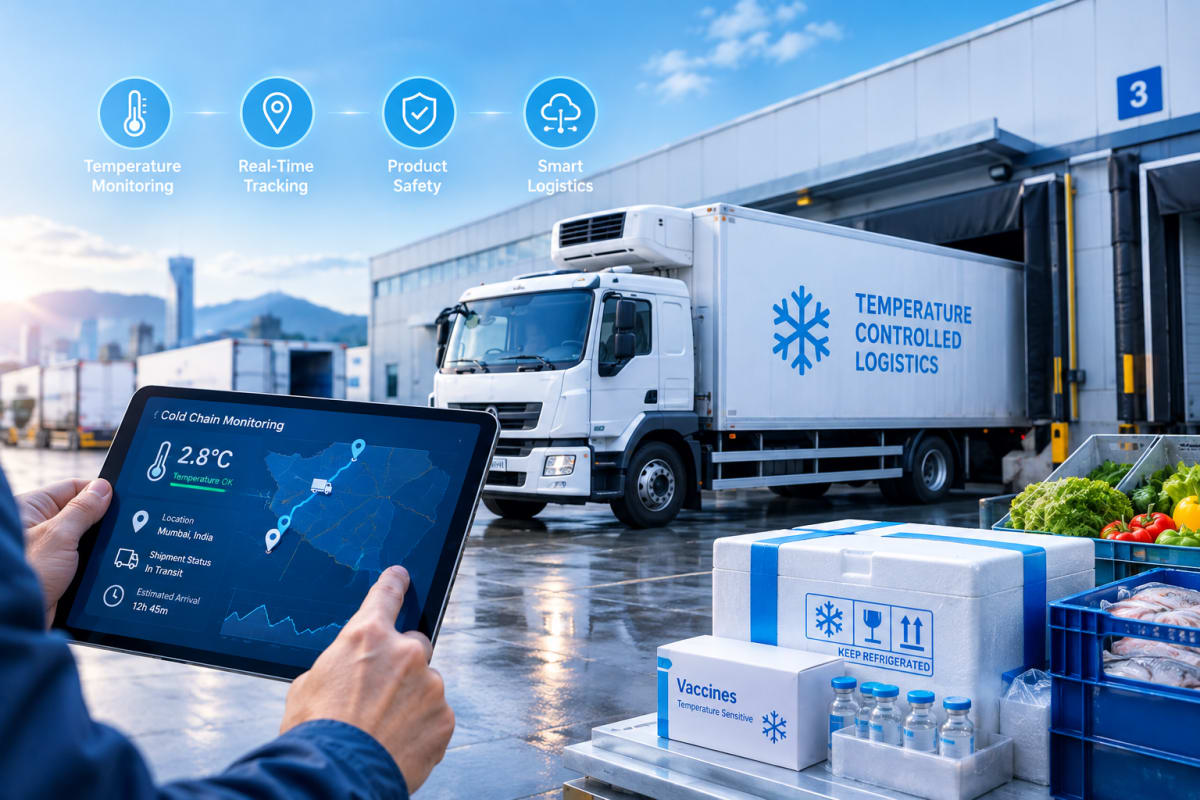
Cold Chain Supply: How Technology Is Transforming Temperature-Controlled Logistics
Cold chain supply has become an essential part of modern global logistics. From fresh food and dairy products to pharmaceuticals, vaccines, biotechnology products, and specialty chemicals, many products must remain within a controlled temperature range throughout their journey.
As international trade continues to grow, businesses need reliable systems that can monitor shipments, manage storage conditions, reduce delays, and protect temperature-sensitive products. Modern logistics technology is helping companies make cold chain operations more connected, visible, and efficient.
What Is Cold Chain Supply?
Cold chain supply is a specialized logistics process used to transport and store products that require controlled temperatures.
Unlike conventional transportation, cold chain logistics requires continuous attention to environmental conditions. Products may pass through warehouses, distribution centers, refrigerated vehicles, ports, airports, and delivery networks before reaching their final destination.
Maintaining the required temperature throughout this journey is critical because even a short period of exposure to unsuitable conditions can affect product quality, safety, and shelf life.
Why Cold Chain Logistics Is Important
Cold chain logistics plays an important role across several industries. Food companies depend on temperature-controlled transportation to maintain freshness, while pharmaceutical companies require strict environmental controls for medicines and vaccines.
A well-managed cold chain can help businesses:
- Maintain product quality
- Reduce spoilage and waste
- Protect temperature-sensitive products
- Improve shipment visibility
- Reduce operational risks
- Support regulatory requirements
- Improve delivery reliability
- Increase customer confidence
For businesses operating internationally, maintaining control across multiple transportation stages becomes even more important.
Industries That Depend on Cold Chain Supply
Cold chain logistics is used across a wide range of industries.
Pharmaceutical and Healthcare
Pharmaceutical products, vaccines, biologics, and certain medical products often require specific temperature conditions during transportation and storage.
Real-time monitoring allows logistics teams to identify temperature deviations and take corrective action before products are compromised.
Food and Beverage
Fresh fruits, vegetables, dairy products, seafood, meat, frozen foods, and beverages depend on reliable temperature-controlled transportation.
An efficient cold chain helps reduce spoilage and ensures products reach retailers and customers in suitable condition.
Agriculture
Agricultural products often travel long distances before reaching their final markets. Cold storage and refrigerated transportation can help preserve freshness and extend product shelf life.
Biotechnology
Biotechnology products can require highly controlled environmental conditions. Reliable monitoring and traceability are therefore important throughout their logistics journey.
How Technology Is Transforming Cold Chain Supply
Technology is changing the way businesses manage temperature-controlled logistics.
Traditional cold chain operations often depended heavily on manual temperature checks and periodic inspections. Modern systems can continuously collect and transmit information from shipments, warehouses, and vehicles.
This creates greater visibility across the supply chain and allows logistics teams to respond faster when problems occur.
Real-Time Temperature Monitoring
Real-time temperature monitoring is one of the most important developments in modern cold chain logistics.
IoT-enabled sensors can continuously collect information about temperature and other environmental conditions. The data can then be transmitted to a centralized logistics platform.
If the temperature moves outside the required range, automated alerts can notify the responsible team.
This allows businesses to investigate the issue quickly rather than discovering a problem after the shipment has already reached its destination.
GPS and Real-Time Shipment Tracking
Temperature is only one part of cold chain management. Businesses also need to know where their shipments are and whether they are moving according to schedule.
GPS-enabled tracking systems provide real-time visibility into vehicle and shipment locations.
Logistics teams can monitor:
- Current shipment location
- Route progress
- Estimated delivery time
- Unexpected delays
- Route deviations
- Delivery status
Combining location tracking with temperature monitoring provides a more complete picture of shipment conditions.
Smart Cold Storage Facilities
Modern cold storage facilities are increasingly using digital technologies to improve operational efficiency.
Connected monitoring systems can track temperature, humidity, equipment performance, energy consumption, and inventory conditions.
When refrigeration equipment begins showing unusual performance, maintenance teams can receive alerts and investigate the issue before it causes a major disruption.
This approach can help reduce downtime and improve the reliability of cold storage operations.
The Role of IoT in Cold Chain Logistics
The Internet of Things is playing an increasingly important role in connected logistics.
IoT sensors can be installed inside:
- Refrigerated trucks
- Containers
- Warehouses
- Storage rooms
- Distribution centers
- Shipment packaging
These devices can collect real-time information and send it to cloud-based systems.
Businesses can then use dashboards to monitor shipments from different locations through a centralized interface.
Data Analytics for Better Logistics Decisions
Cold chain operations generate large amounts of data.
This data can provide useful insights into:
- Temperature patterns
- Delivery performance
- Route efficiency
- Shipment delays
- Storage conditions
- Equipment performance
- Energy consumption
- Product handling
By analyzing historical information, businesses can identify recurring problems and improve future logistics planning.
For example, if a particular route regularly experiences delays or temperature fluctuations, logistics teams can investigate alternative routes or transportation methods.
Cold Chain and Pharmaceutical Logistics
Pharmaceutical logistics requires particularly careful handling because many medicines and biological products are sensitive to temperature variations.
A reliable pharmaceutical cold chain combines controlled storage, appropriate packaging, refrigerated transportation, continuous monitoring, and accurate documentation.
Digital monitoring systems can help businesses maintain visibility throughout the shipment journey and provide records of environmental conditions.
This can also support better traceability and operational accountability.
Reducing Waste Through Better Monitoring
Product waste is one of the major challenges in temperature-sensitive logistics.
When a shipment is exposed to unsuitable conditions, businesses may have to discard part or all of the affected products.
Real-time monitoring can help reduce this risk by identifying problems earlier.
Instead of discovering a temperature issue after delivery, logistics teams can receive an alert while the shipment is still in transit and take appropriate action.
Improving Cold Chain Visibility
Supply chain visibility means knowing what is happening to products throughout their logistics journey.
A modern cold chain platform can bring information from multiple sources into one system.
For example, a logistics manager could monitor:
- Shipment location
- Temperature status
- Delivery progress
- Vehicle information
- Warehouse conditions
- Alerts and exceptions
Having this information available in one place can make it easier to identify potential disruptions and coordinate operations.
Challenges in Cold Chain Logistics
Despite advances in technology, cold chain logistics still faces several challenges.
These may include:
Infrastructure Limitations
Some regions have limited access to reliable cold storage facilities, refrigerated transportation, and supporting infrastructure.
Energy Requirements
Maintaining controlled temperatures requires significant energy, especially in warehouses and refrigerated transportation.
Temperature Excursions
Unexpected temperature changes can occur because of equipment failure, loading delays, transportation problems, or improper handling.
Complex International Shipments
International shipments may involve multiple carriers, ports, customs procedures, warehouses, and transportation modes.
Coordinating these different stages requires strong visibility and communication.
Building a More Reliable Cold Chain
A reliable cold chain requires more than refrigerated vehicles or storage facilities.
Businesses need a combination of:
- Proper infrastructure
- Reliable transportation
- Temperature monitoring
- Real-time tracking
- Digital logistics platforms
- Trained personnel
- Preventive maintenance
- Accurate documentation
When these elements work together, businesses can create a more resilient and transparent supply chain.
Future of Cold Chain Supply
The future of cold chain logistics will increasingly depend on connected technologies and intelligent data systems.
IoT devices, cloud platforms, predictive analytics, automation, AI-powered monitoring, and real-time dashboards can help businesses understand their logistics operations more effectively.
As global trade grows and customer expectations increase, companies will need greater visibility and control over temperature-sensitive shipments.
Technology can help transform cold chain operations from reactive processes into proactive and data-driven systems.
Conclusion
Cold chain supply is an important part of modern global logistics. Businesses across pharmaceuticals, healthcare, food, agriculture, biotechnology, and other industries depend on reliable temperature-controlled transportation and storage.
Modern technologies such as IoT sensors, GPS tracking, cloud platforms, real-time monitoring, and data analytics are making cold chain operations more transparent and responsive.
By combining strong logistics infrastructure with digital technology, businesses can improve shipment visibility, reduce waste, protect sensitive products, and build more reliable supply chains.
As global supply networks become increasingly complex, technology-driven cold chain management will continue to play an important role in efficient and resilient logistics.
EXIM & Logistics Specialist at SkyLink Global Services. Specializing in statutory customs compliance, freight procurement, and international cross-border multimodal routing.